By CHRISTOPHER RUGABER AP Economics Writer
WASHINGTON (AP) — Rising gas prices pushed inflation to its highest level in three years last month, a headache for the Federal Reserve and a potential political challenge for the Trump administration as midterm elections near.
Consumer prices rose 4.2% in May from a year earlier, the Labor Department said Wednesday, up from 3.8% in April and the third straight increase. On a monthly basis, prices rose 0.5% last month, after big gains of 0.6% in April and 0.9% in March.
Outside energy costs, price increases were not as dramatic, a sign that inflation hasn’t yet spread throughout the economy. Should the Iran war end and oil and gas prices decline, headline inflation could begin to cool. Gas prices have fallen this month.
One positive sign in Wednesday’s report: Excluding the volatile food and energy categories, core prices rose at a more modest pace. On a monthly basis, they climbed just 0.2%, down from a 0.4% gain in April. Compared with a year ago, they have rise 2.9%, up from 2.8% in April.
Still, many goods and services rose in price last month: Clothing prices increased 0.3% and are 4.8% more expensive than a year ago. Airline fares, pushed higher by pricier jet fuel, jumped 2.7% just in May and are nearly 27% higher than a year ago. Electricity prices rose 0.6% in May and are up 5.9% in the past year.
Inflation had been cooling before President Donald Trump imposed sweeping tariffs in April 2025, which lifted the costs of many goods. Prices have since surged after the Iran war made oil and gas more expensive, making affordability a key political issue.
Gas prices rose in May because of Iran’s closure of the Strait of Hormuz, which has choked off about a fifth of the world’s oil supply. Prices at the pump rose, on average, from about $4.04 in mid-April to $4.49 in mid-May, according to the Energy Information Administration.
They have since fallen back to $4.16 on average nationwide, according to AAA, which could lead to a cooler inflation reading in June. That doesn’t mean gas prices are not on the minds of most Americans. A gallon of gas has hovered above $4 a gallon since March.
More expensive diesel fuel has lifted shipping costs, with companies like UPS and FedEx adding fuel surcharges in the past couple of months. That is likely to push up grocery prices, which jumped 0.7% in April and are 2.9% higher than a year ago.
Stubbornly high inflation has shifted the debate among Fed policymakers, who had signaled at the start of the year that they were inclined to cut their key rate twice more this year. Now, more officials are saying they expect the Fed’s next move will likely be a hike rather than a cut. When the Fed boosts its key rate, it typically over time leads to higher borrowing costs for mortgages, auto loans, and business loans.
Wall Street investors expect the Fed to raise rates in December, according to futures prices tracked by CME Fedwatch.
Despite higher inflation, the job market appears to be improving, with hiring increasing to a healthy level in May, and the economy is still growing. These positive signs suggest the Fed doesn’t need to cut rates to stimulate growth and hiring. They also signal that the Fed’s rate isn’t so high that it is weighing on the economy. Yet some officials want rates to cool growth a bit, because that can bring down inflation.
Interest rates on two-year and 10-year Treasury securities have increased since Friday’s jobs report showed hiring accelerated in May, a sign investors expect inflation may remain elevated and eventually require Fed rate hikes.
Higher inflation has put the new Fed Chair, Kevin Warsh, in a difficult spot. He advocated for rate cuts last year and was chosen by Trump to replace Jerome Powell, after Trump relentlessly criticized Powell for not reducing rates more quickly. Yet for now, Trump and White House officials are mainly arguing that interest rates don’t need to increase, rather than demanding further cuts.
Some economists still see tariffs pushing up some costs, particularly clothing, which jumped 0.6% in April and are 4.2% more expensive than a year ago. Pricier fuel may have also led to higher airline fares last month, which would lift core inflation.
News
Inflation hits 3-year high, highlighting affordability challenge for Americans
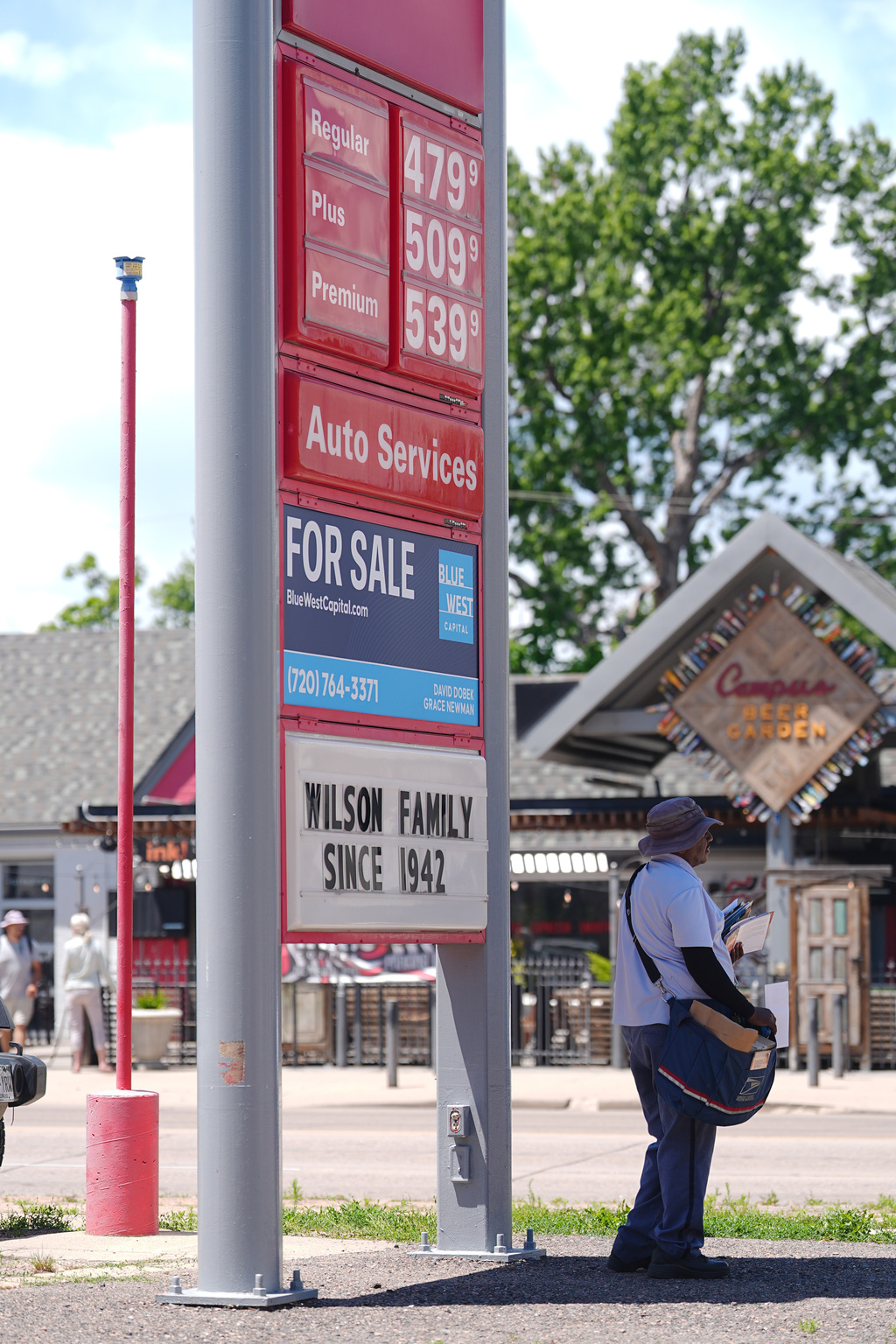
As the daytime high temperature soars into the 80s, a United States Postal Service postman keeps cool by standing in the shade of a gasoline station sign posting the per-gallon prices for the various grades of fuel available Thursday, June 4, 2026, in central Denver. (AP Photo/David Zalubowski) Photo: Associated Press